

Where should you live during renovations? Explaining when temporary housing is necessary and what to be aware of
- Release Date
- Categories
-
- HOTEL
- Categories
-
- #Temporary housing
Where should I live during the renovation?
"I don't know if I need temporary housing."
When planning to renovate their home, it is not uncommon for people to wonder whether they should continue to live in their home during the renovation or find temporary housing.
However, when you actually try to find temporary housing, you may not know where to live or the procedures may be difficult.
In this article, we will introduce five options for temporary housing while your home is being renovated. We will also explain the procedures and things to be aware of when living in temporary housing while your home is being renovated, so please use this as a reference.
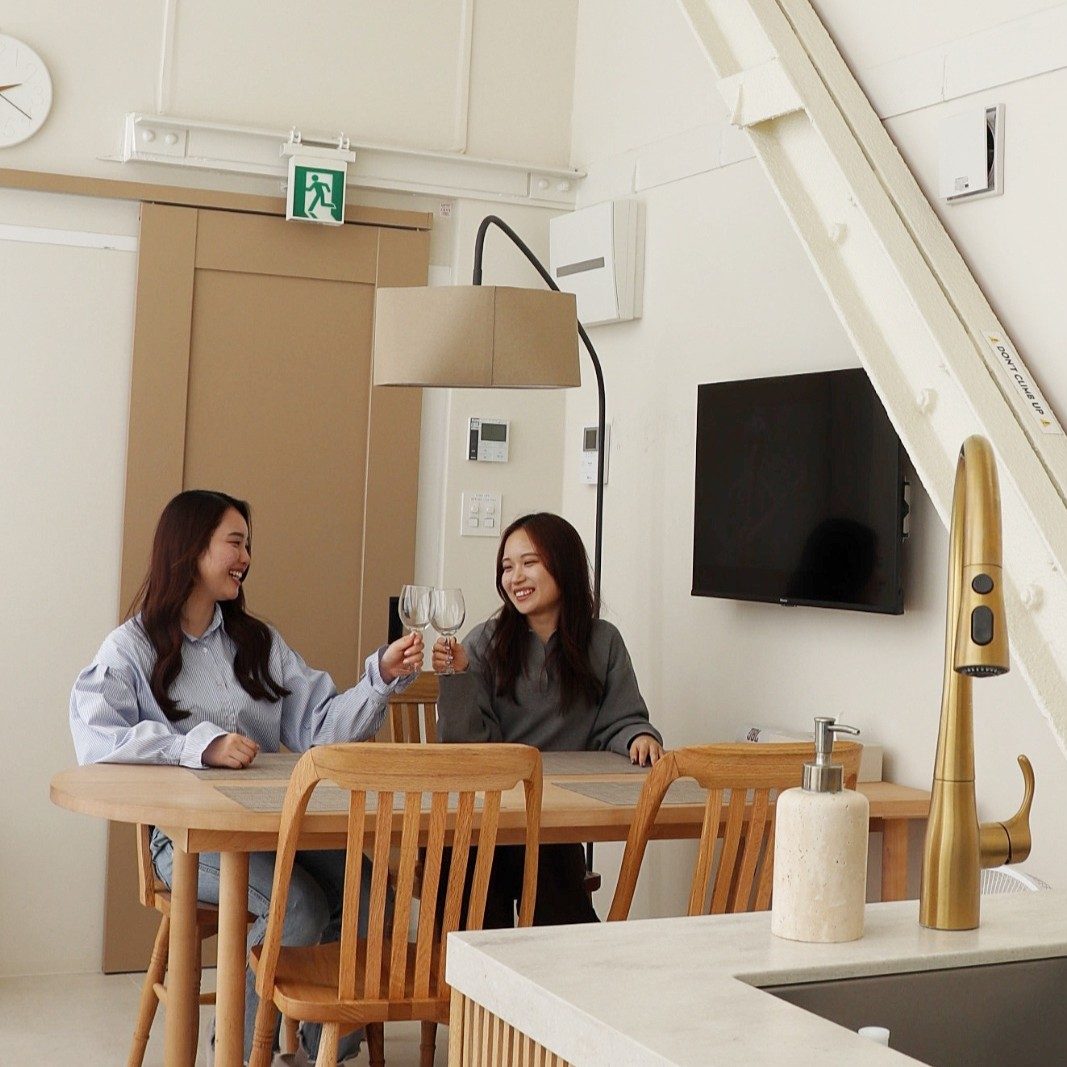
The editorial team of "GIVE" runs an apartment hotel. They are currently disseminating information on the hidden charms of Nakano Ward.
Where will you live while your home is being renovated?
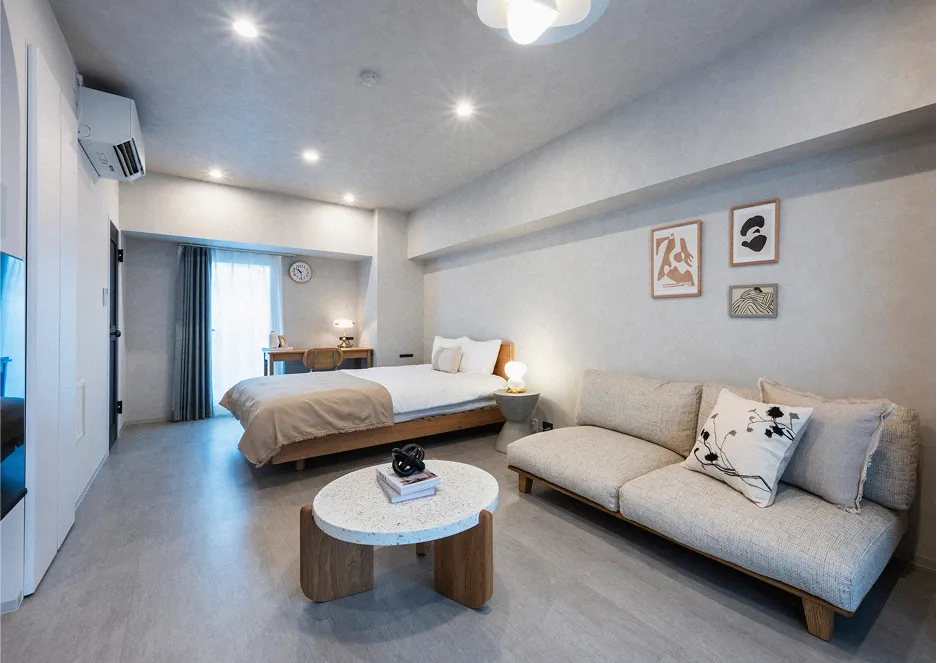
We will introduce five options for temporary housing while you are renovating your home. We will also introduce the costs and benefits of each type of temporary housing, so please use this as a reference when choosing which type of temporary housing is right for you.
Hotels and business hotels
If you use a hotel as temporary housing, you don't need to sign a rental contract, so there are no complicated procedures to go through. You don't need to pay for water or electricity, so you can live in temporary housing with only the necessities of life. However, you will need to store large furniture and appliances in a storage room.
Also, although expenses such as meals and laundry may be expensive, you can still get temporary housing for just the accommodation fee, so the total cost may be more economical.
| Accommodation fee | 200,000 yen/month |
| Storage room contract fee | 5,000 yen/month |
Temporary accommodation in a hotel can become expensive as the number of family members staying increases, so it is recommended for small groups. Consider the options that fit your lifestyle.
Private lodging
The biggest advantage of temporary accommodation in a private lodging is that it comes equipped with the minimum necessary furniture and appliances, and cleaning can be left to you when you check out. You can cook and do your laundry just like in your daily life, and there are no additional costs for water, electricity, gas, or internet, so you can keep your expenses low during your temporary stay.
Rental apartments and houses
The advantage of renting an apartment or house is that there are many options for size and layout, making it easy to choose a property that suits your lifestyle. However, since there are few furniture or appliances, you will need to move them from your original home to your temporary residence.
The main costs for temporary housing are as follows:
・Monthly rent, security deposit, key money, agent fee, miscellaneous expenses, and two moving expenses
Weekly/Monthly Apartments
Weekly and monthly apartments are available for periods ranging from one week to one month, making them easy to sign a contract for as a temporary residence. They also come fully furnished with furniture and appliances, and do not require a security deposit or key money, making them inexpensive.
However, weekly and monthly apartments tend to be one-room or one-bedroom apartments, so they are suitable for small households.
Parents' home/relatives' home
The biggest advantage of staying with your parents or relatives is that you can reduce the cost of temporary housing and live in an environment similar to your everyday life. However, you must be careful not to cause any inconvenience or stress to your parents or relatives who are hosting you.
If there is no space to store your belongings, you will have to pay a storage room contract fee, but you can basically live there with just your living expenses, so it is a low-cost temporary residence.
Cases where temporary housing is needed during renovations

Here are three cases where you might need temporary housing during renovations.
・Complete renovation ・Renovations that affect daily life ・Renovations that cannot ensure safety
Complete renovation
Full or skeleton renovations mean that the living space will be unusable for an extended period of time, making temporary housing necessary.
For example, construction work such as replacing floors, walls, and ceilings, replacing plumbing fixtures, and structural reinforcement will all be carried out at once, making it difficult to continue daily life in your home.In addition, the noise, dust, and vibrations from the construction work can be physically demanding, so you will need to consider temporary housing to ensure your safety and comfort.
Renovations that affect daily life
Even if the construction work is limited to a few areas, such as the kitchen, bathroom, or toilet, renovating areas that are essential to daily life will have an impact on your life.
For example, if you are unable to use your kitchen for several days or weeks, you will not be able to prepare meals for your family and will have to rely on eating out or packing lunches. Also, if you are unable to use the bath or toilet, you will have no alternative but to go outside, such as to a public bath, making daily life difficult.
Consider temporary housing to maintain your daily functions without stress.
Renovations where safety cannot be ensured
Construction work that uses scaffolding and large machinery, such as structural reinforcement and plumbing/electrical system installation, may require temporary housing due to safety concerns.
Other projects that have a significant impact on health, such as the removal of hazardous asbestos and renovation of dilapidated buildings, also require temporary housing. As a result, construction work can proceed smoothly, and satisfaction after renovations increases.
Procedures for living in temporary housing during renovations

There are three main procedures to follow when living in temporary housing while your home is being renovated. We will explain them in detail below.
Temporary housing contract
While you are planning your renovation, you should first secure a temporary residence. The process for signing a contract for temporary residence is as follows:
1. Decide your desired conditions (duration, location, size, etc.)
2. Contact a specialist
3. Viewing, applying for, and screening properties that meet your requirements
4. Confirm the contract details, pay the initial fee, and submit the necessary documents
5. After signing the contract, receive the keys
If you find a property that interests you, be sure to actually go and view it to check the condition of the property and the surrounding area. We also recommend properties that allow short-term occupancy or are furnished, as this will make moving in smoother.
With apartment hotels, there are no complicated move-in procedures and the apartment is generally furnished, making it very easy to move in.
Mailing procedures
Once you have decided to move to a temporary residence, you will need to take care of the mail delivery procedures. Japan Post offers a "Moving and Forwarding Service" that allows you to apply for and have mail addressed to your old address forwarded to your new address free of charge. You can also apply online, and the forwarding period is one year.
If you are staying in temporary housing for less than a year, you do not need to change your address at the local government office, but you should apply for mail forwarding so that you can receive necessary letters and mail.
Parking lot and rental warehouse contracts
When moving into temporary housing, it's easy to overlook the need to sign a contract for parking or a rental warehouse. If your temporary housing doesn't have a parking space, you'll need to sign a separate parking contract, so be sure to check in advance.
Additionally, if your temporary residence will not be able to accommodate all of your belongings, such as large furniture or seasonal items, you may need to consider renting a storage facility. It is important to ensure you have enough living space in your temporary residence so that you can live comfortably and without stress.
Things to consider when choosing temporary housing during renovations

Here are three things to keep in mind when choosing temporary housing during renovations.
・Will it affect my commute to work or school? ・Can I handle it if the construction period is extended? ・Will there be any problems with the surrounding environment?
Will it affect my commute to work or school?
Living in temporary housing can significantly change the distance and time of your commute to work or school, which can increase the burden and cause stress.
Therefore, it is important to check in advance not only train and bus schedules, but also the convenience of transfers and traffic congestion conditions. While in temporary housing, it is important to maintain your normal daily rhythm and maintain as much of your normal quality of life as possible.
Can you handle it if the construction period is extended?
Renovations can take longer than expected due to bad weather or construction issues, so be sure to check in advance whether you can extend your temporary residence.
In particular, be careful with short-term rentals and weekly apartments, as they may not be able to accommodate you if the next tenant has already been decided. Hotels tend to be more flexible in their arrangements, as they have many guest rooms.
Is the surrounding environment in order?
Even if it is only for the duration of the renovation, if you will be living in temporary housing for several weeks or months, the quality of your life there will be affected by the quality of the surrounding environment.
Check the availability of supermarkets, convenience stores, and other amenities. When viewing the property, it's also a good idea to check out the surrounding area both day and night.
Choose a temporary residence that suits your lifestyle
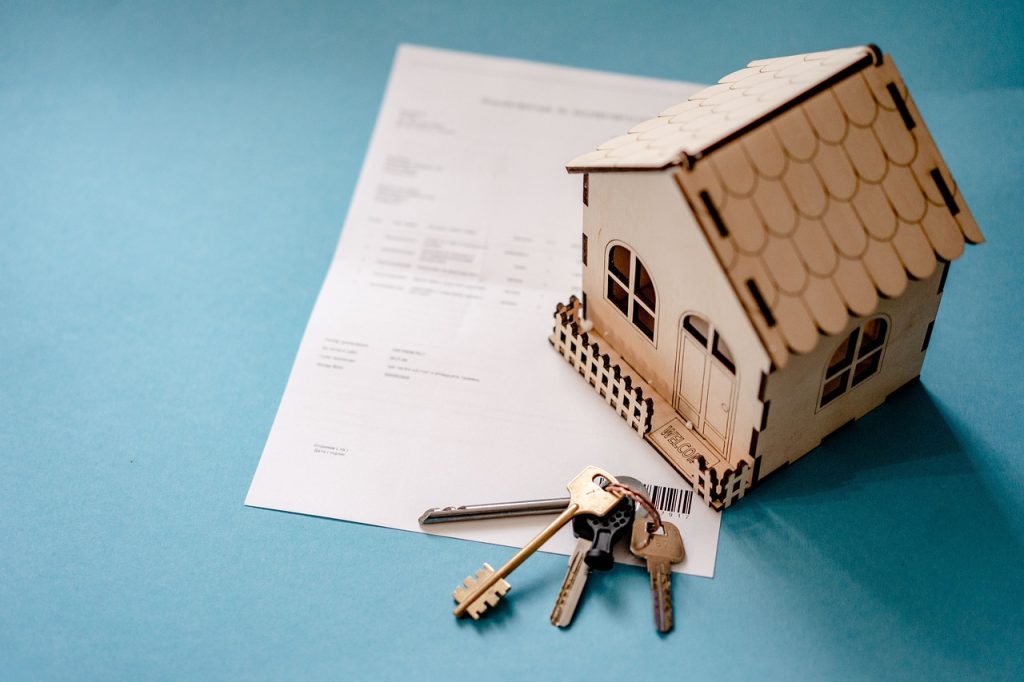
In this article, we've introduced where you should live during your renovation. Your temporary residence will vary depending on factors such as the length of time you will need temporary housing, the cost, and your family composition.
Consider multiple options for temporary housing and decide where you should live.


